



Dementia not only affects memory, reasoning, and daily functioning—it also reshapes how individuals are perceived and treated by the world around them. Dementia stigma remains one of the most overlooked challenges faced by people living with cognitive decline and their families.
Misunderstandings, fear, and outdated beliefs often push individuals into the shadows, limiting access to care, connection, and dignity.
Understanding how stigma shows up—and how it can be addressed—is essential for building healthier, more inclusive communities.
Understanding Dementia Stigma

From isolation to understanding: how people cope with dementia-related stigma and reclaim their sense of self
Dementia stigma refers to negative attitudes, stereotypes, and discriminatory behaviors directed toward people living with dementia. Many still associate dementia solely with “losing oneself,” incompetence, or an inability to contribute to society. These misconceptions ignore the reality that many people with dementia can live meaningful lives for years with the right support and treatment for dementia in Huntington Beach and beyond.
Stigma can be subtle, such as speaking over someone instead of to them, or overt, like social exclusion and workplace discrimination. Either way, it shapes how individuals experience their diagnosis long after symptoms begin.
Real-Life Examples of Stigma
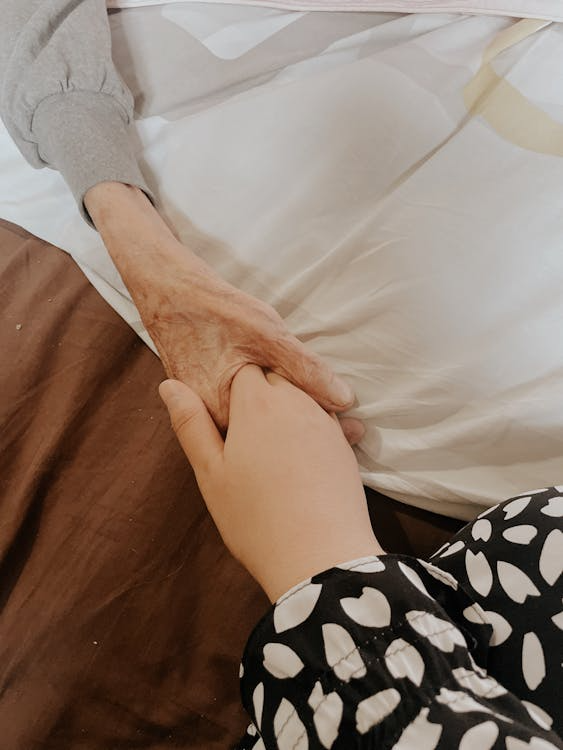
Stigma hurts more than memory loss—learn how compassion, education, and support can change lives
Stigma often appears in everyday situations:
- Social withdrawal: Friends stop inviting someoneto gatherings after learning about a dementia diagnosis, assuming it will be “too difficult” or uncomfortable.
- Healthcare bias: Symptoms may be dismissedas “just aging,” delaying accurate diagnosis and access to appropriate treatment for dementia.
- Family silence: Some families avoid discussing dementia publicly due to shame or fear of judgment, isolating both the individual and caregivers.
- Loss of autonomy: Decisions are taken away prematurely, even when the person is still capable of participating.
These experiences reinforce feelings of invisibility and helplessness—core emotional impacts of dementia stigma.
Emotional and Social Impacts

Breaking misconceptions about dementia starts with listening, empathy, and standing together as a community.
The emotional toll of dementia stigma can be profound. Individuals may experience anxiety, depression, anger, or grief—not only over cognitive changes but over how they are treated. Socially, stigma can shrink support networks, leading to loneliness and reduced quality of life.
Caregivers are also affected. They may face judgment for how symptoms present in public or feel pressure to “manage” behaviors discreetly. This shared burden highlights why community education and access to compassionate treatment for dementia in Huntington Beach are so critical.
Coping Techniques for Individuals and Families
While stigma is a societal problem, there are practical ways individuals and families can cope:
- Education and Self-Advocacy
Learning about dementia empowers people to challenge myths and advocate for respectful treatment. Understanding available treatment for dementia helps families make informed care decisions.
- Open Communication
Talking openly—when comfortable—can reduce fear and normalize the condition. Clear explanations help others respond with empathy rather than avoidance.
- Support Networks
Joining dementia-friendly support groups, whether in person or online, creates safe spaces to share experiences and strategies without judgment.
- Professional Guidance
Neurologists, neuropsychologists, and counselors can help individuals process emotional responses to stigma while tailoring care plans that preserve independence and dignity.
Support Resources That Make a Difference
Access to the right resources can counteract the isolating effects of dementia stigma. These include:
- Specialized neurological care offering early diagnosis and personalized treatment for dementia in Huntington Beach
- Caregiver education programs that teach coping skills and communication techniques
- Community-based dementia-friendly initiatives are designed to keep individuals engaged in everyday life
- Mental health support for both patients and caregivers
When medical and community resources work together, stigma loses its power.
How Communities Can Reduce Harmful Misconceptions
Reducing dementia stigma requires collective effort. Communities can take meaningful steps by:
- Promoting public education campaigns that emphasize abilities, not just limitations
- Training healthcare and service professionals in dementia-inclusive practices
- Encouraging dementia-friendly businesses, events, and public spaces
- Highlighting the importance of early evaluation and treatment for dementia in Huntington Beach
Language matters. So does visibility. When people with dementia are included—not hidden—misconceptions begin to fade.
A Path Toward Compassion and Understanding
Dementia stigma thrives in silence and misunderstanding. By sharing real experiences, supporting evidence-based care, and fostering inclusive environments, we can replace fear with empathy. People living with dementia deserve respect, autonomy, and access to high-quality care at every stage of the journey.
If you or a loved one is navigating cognitive changes, compassionate, expert care matters. The Neurology and Cognitive Neuroscience Institute offers comprehensive, personalized treatment for dementia in Huntington Beach, with a focus on early diagnosis, advanced therapies, and whole-person support.
Reach out today to learn how specialized care can improve quality of life and help challenge dementia stigma—one person, one family, and one community at a time.