



When people think about disability, they often imagine something visible—a wheelchair, a cane, or a physical limitation that can be clearly identified.
Yet millions of individuals live with conditions that are not immediately apparent.
Hidden disabilities and dementia are among the most misunderstood, often leaving those affected unseen, unheard, and unsupported. Understanding what lies beneath the surface is essential to building empathy, inclusion, and meaningful support.
What Are Hidden Disabilities?

What you don’t see matters. Hidden disabilities like dementia deserve understanding, respect, and inclusive spaces in everyday life.
Hidden disabilities are conditions that significantly impact daily life but are not obvious to others. These can include neurological, cognitive, mental health, and chronic medical conditions.
Dementia falls squarely into this category, particularly in its early and middle stages.
Unlike visible impairments, people with hidden disabilities may appear “fine” on the outside while facing serious internal challenges—memory lapses, confusion, sensory overload, difficulty processing language, or emotional distress. Because others cannot see these struggles, individuals are often judged unfairly or expected to function without accommodations.
Why Dementia Often Goes Unnoticed
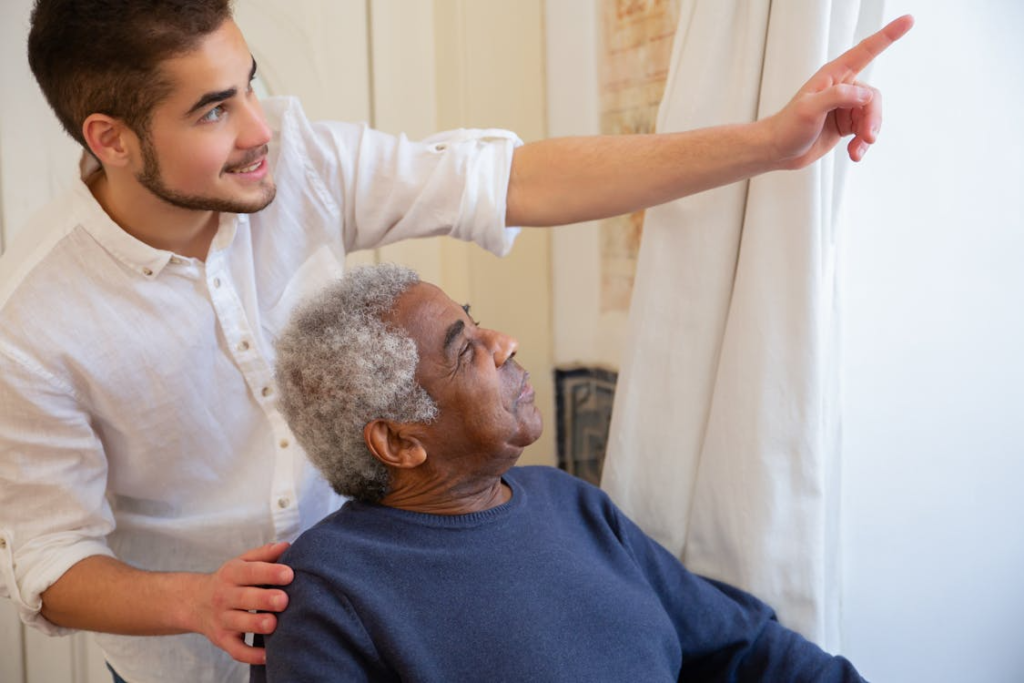
Not all disabilities are seen. Dementia can be invisible—but its impact is real. Awareness starts with listening and compassion
Dementia does not begin with dramatic symptoms. Early signs can be subtle: misplaced items, difficulty finding words, changes in mood, or trouble following conversations. Many people compensate well at first, masking symptoms in public while struggling privately.
Social stigma also plays a role. Individuals may hide symptoms out of fear of embarrassment or discrimination. Families sometimes dismiss early warning signs as “normal aging,” delaying evaluation and treatment for dementia until symptoms become more pronounced.
This invisibility can be dangerous. Without early recognition, people may miss opportunities for timely diagnosis, planning, and access to appropriate dementia care and treatment.
Daily Challenges Faced by Individuals with Dementia
Living with dementia as a hidden disability presents unique challenges that go beyond memory loss:
- Social misunderstandings: Forgetfulness or confusion may be misinterpreted as rudeness or lack of interest.
- Loss of independence: Difficulty managing finances, transportation, or daily routines can develop gradually.
- Emotional strain: Anxiety, frustration, and depression are commonas individuals become aware of their cognitive changes.
- Barriers to care: Delayed diagnosis can postpone access to effective treatment fordementia in Huntington Beach, limiting symptom management and support options.
Because these struggles are not always visible, people with dementia are often expected to “just try harder,” which only increases stress and isolation.
The Importance of Understanding and Inclusion

Dementia isn’t always visible. Understanding hidden disabilities helps build empathy, reduce stigma, and support those living quietly with daily challenges.
Awareness of hidden disabilities and dementia is critical for creating inclusive communities. Understanding changes how we respond—from impatience to compassion, from judgment to support.
Inclusive environments might include clearer communication, flexible expectations, quieter spaces, and patience during interactions. Small adjustments can make a significant difference in preserving dignity and quality of life for someone living with dementia.
In healthcare, understanding leads to earlier assessments, personalized care plans, and access to specialized treatment for dementia in Huntington Beach, where comprehensive neurological and cognitive services can support both patients and families.
How Families and Communities Can Offer Support
Support begins with recognition. When dementia is treated as a hidden disability, loved ones and communities can respond more effectively.
Ways to support someone with dementia include:
- Listen without correcting: Focus on emotions rather than facts when memory gaps occur.
- Maintain routines: Predictable schedules reduce anxiety and confusion.
- Encourage professional care: Early evaluation and ongoing treatment for dementia in Huntington Beachcan slow progression and manage symptoms.
- Promote independence safely: Offer assistance without taking over tasks completely.
- Educate others: Help friends, coworkers, and community members understand that dementia is often invisible.
Caregivers also need support. Education, respite care, and professional guidance are essential to prevent burnout and ensure sustainable caregiving.
Breaking the Stigma Around Dementia
Stigma thrives on misunderstanding. By openly discussing hidden disabilities and dementia, we can normalize conversations around cognitive health and aging. Dementia is not a personal failure—it is a medical condition that deserves compassion, research, and high-quality care.
Public awareness campaigns, dementia-friendly programs, and accessible healthcare services all contribute to breaking down stigma. The more we acknowledge what we cannot see, the better we can support those living with dementia.
Looking Ahead: Early Care Makes a Difference
Early recognition of dementia as a hidden disability opens doors to proactive care. Timely diagnosis allows individuals and families to plan, access therapies, and explore treatment for dementia in Huntington Beach that focuses on symptom management, cognitive support, and overall brain health.
With the right medical guidance, many people with dementia can maintain independence, meaningful relationships, and a higher quality of life for longer.
If you or a loved one is experiencing cognitive changes, don’t ignore what you can’t see. Early evaluation and compassionate care matter. Neurology and Cognitive Neuroscience Institute provides comprehensive, patient-centered treatment for dementia in Huntington Beach, combining advanced neurological expertise with personalized cognitive care.
Take the first step toward understanding, support, and effective treatment—because when it comes to hidden disabilities and dementia, what you don’t see truly matters.