

Meta: Learn how to minimize falls with Parkinson’s using home safety tips, balance exercises, assistive devices, and caregiver strategies for safer daily movement and independence confidence.
Steady Steps: Smart Ways to Reduce Fall Risks in People with Parkinson’s
Falls are one of the most common and serious challenges faced by people living with Parkinson’s disease. Changes in balance, muscle stiffness, slowed movement, and freezing episodes can all increase the risk of injury. Learning how to minimize falls with Parkinson’s is essential for preserving independence, confidence, and overall quality of life.
This guide explores fall risk factors, practical home modifications, mobility exercises, assistive devices, safer daily routines, and caregiver strategies that support long-term safety.
Understanding Fall Risk Factors in Parkinson’s Disease

From balance exercises to smart routines, steady steps start with practical daily choices
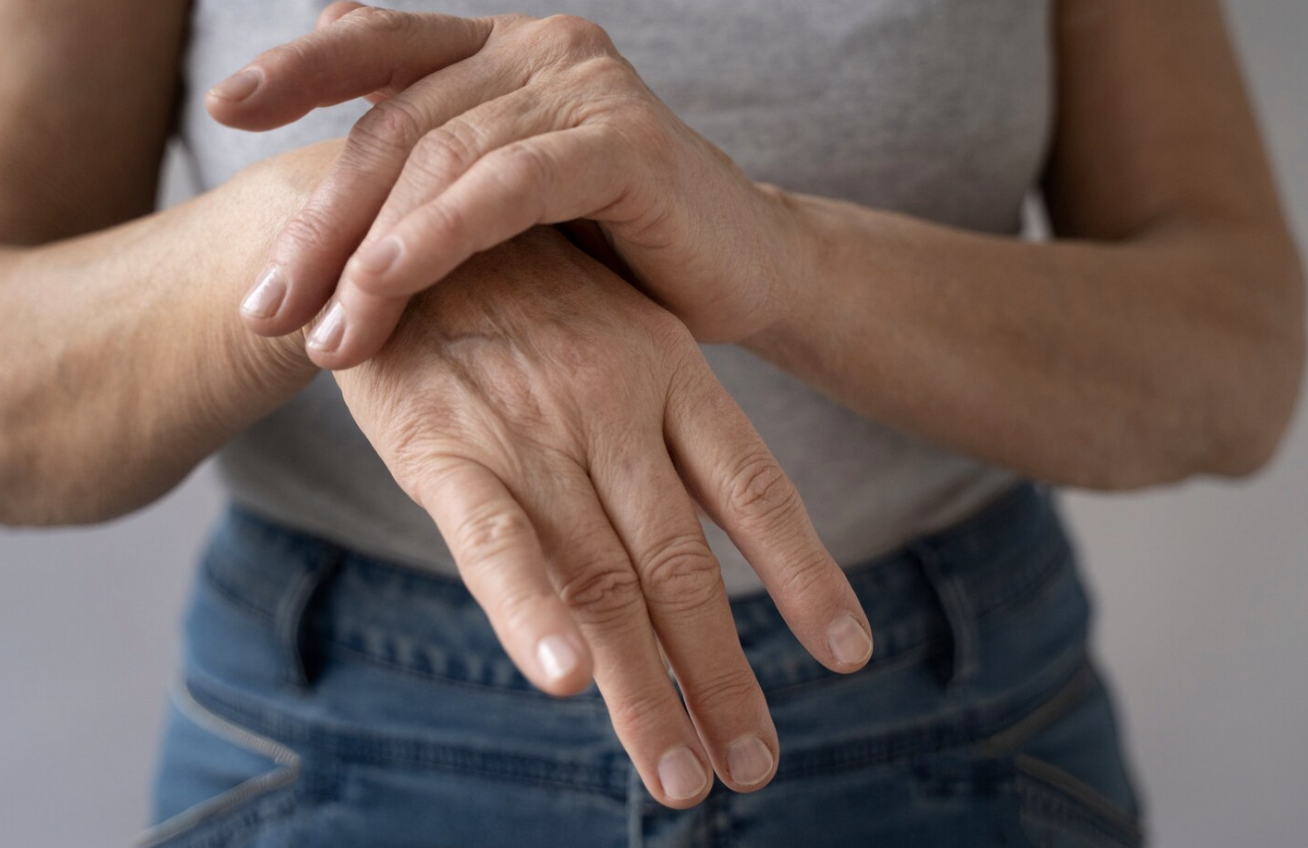
Parkinson’s disease affects the brain’s ability to control movement smoothly and automatically. As symptoms progress, several factors contribute to instability and falls:
- Postural instability that makes it harder to recover balance
- Shuffling gait and reduced foot clearance
- Freezing of gait, especially during turns or in tight spaces
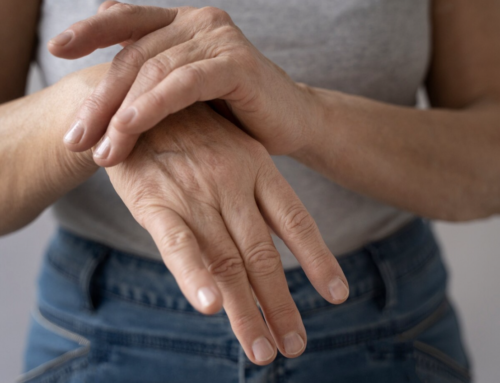
- Muscle rigidity and stiffness that limit flexibility
- Slowed reaction time when encountering obstacles
- Medication fluctuations that cause “on-off” mobility changes
Early evaluation and ongoing treatment for Parkinson’s disease in LA can help identify these risks and adjust care plans before serious falls occur.
Home Modifications That Reduce Fall Hazards

Safety isn’t about limitation—it’s about confidence, mobility, and staying independent longer.
Creating a safer living environment is one of the most effective ways to minimize falls with Parkinson’s. Simple adjustments can dramatically lower risk:
Key Home Safety Changes
- Remove loose rugs, cords, and clutter from walkways
- Install grab bars in bathrooms and near toilets
- Add non-slip mats in showers and tubs
- Improve lighting in hallways, stairs, and entrances
- Use contrasting tape on stair edges to improve visibility
- Rearrange furniture to allow wide, clear walking paths
These changes help compensate for balance issues and visual-spatial challenges common in Parkinson’s disease.
Mobility and Balance Exercises for Stability
Targeted exercises play a vital role in fall prevention. Physical therapy programs designed for Parkinson’s focus on strength, posture, and coordination.
Helpful Exercise Types
- Balance training to improve stability and confidence
- Leg and core strengtheningfor better support
- Stretching routines to reduce stiffness and improve range of motion
- Cue-based walking exercises using rhythm, counting, or music
- Tai chi or guided movement programs that emphasize slow, controlled motion
Consistent movement supports safer mobility and complements medical treatment for Parkinson’s disease in LA.
Assistive Devices That Support Safe Movement
Using the right assistive device can significantly reduce fall risk while encouraging independence.
Common Assistive Options
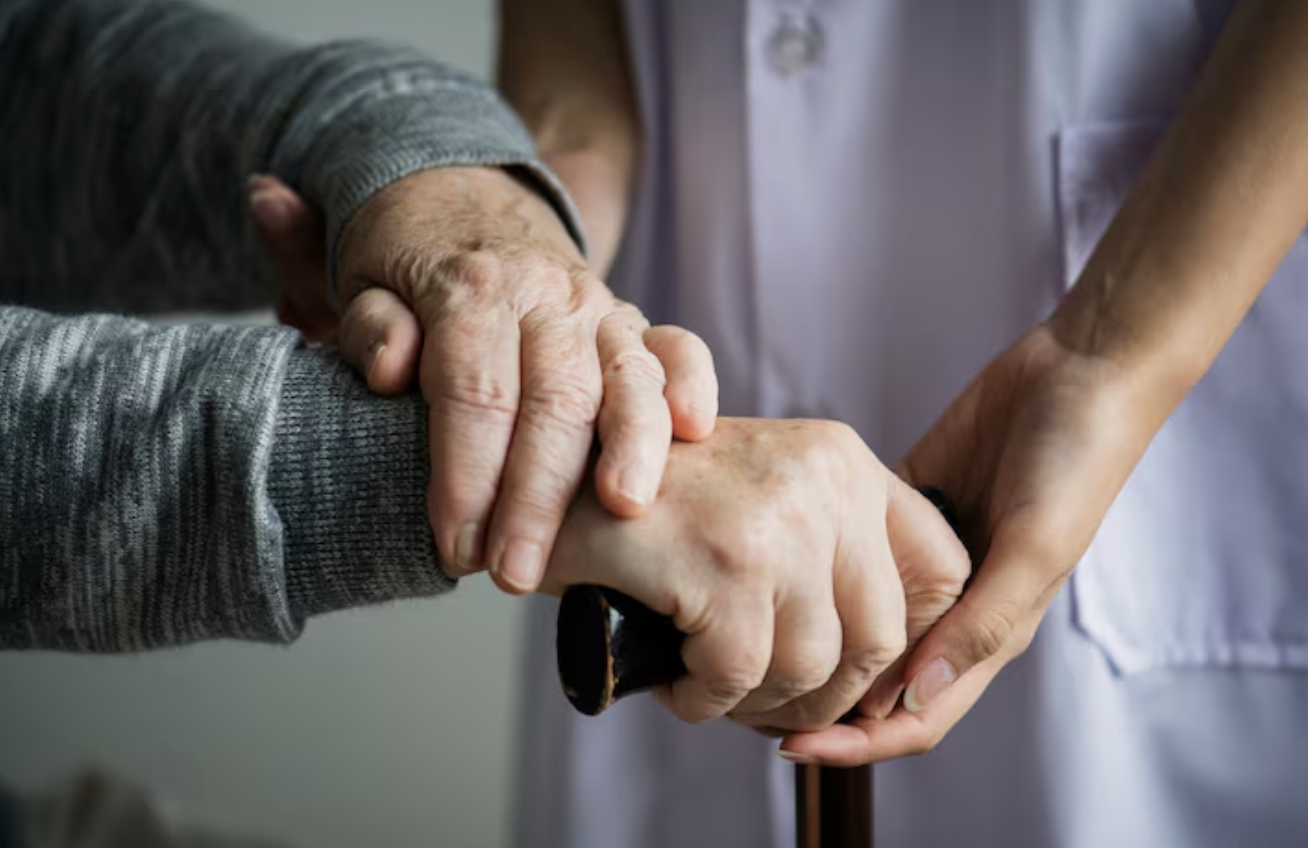
- Canes designed for Parkinson’s-specific gait patterns
- Walkers with laser or visual cues to overcome freezing
- Rollators with brakes and seating for rest breaks
- Bed rails and transfer aids for safer transitions
A healthcare provider or physical therapist can recommend devices that best support individual mobility needs and daily routines.
Safer Daily Routines and Movement Habits

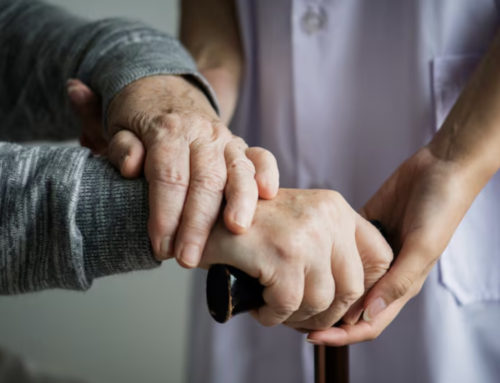
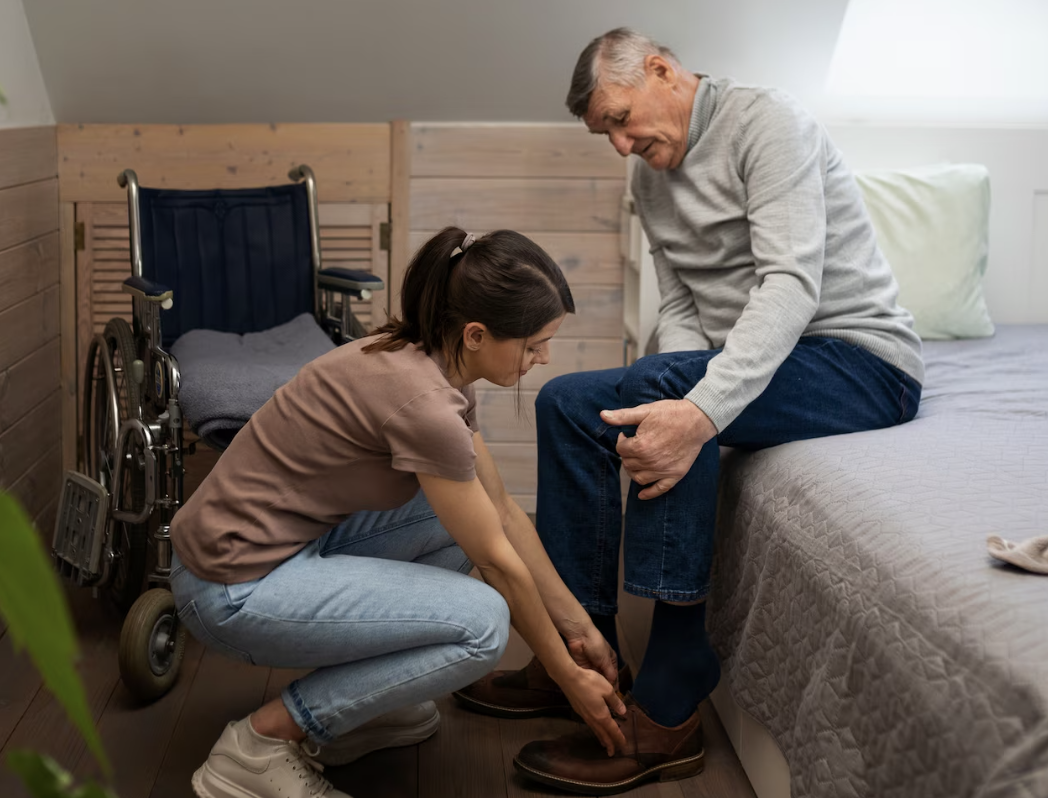
Caregivers play a powerful role in helping loved ones move safely and live well with Parkinson’s.
How a person moves throughout the day matters just as much as their environment. Establishing safety-focused routines helps minimize falls with Parkinson’s.
Everyday Safety Tips
- Take time when standing up to avoid dizziness
- Pause before turning or changing direction
- Use deliberate, wide steps rather than rushing
- Avoid multitasking while walking
- Wear supportive, non-slip footwear
- Plan activities during medication “on” periods when movement is easier
Consistency in daily habits reduces unexpected movement challenges and builds confidence.
Caregiver Strategies for Fall Prevention
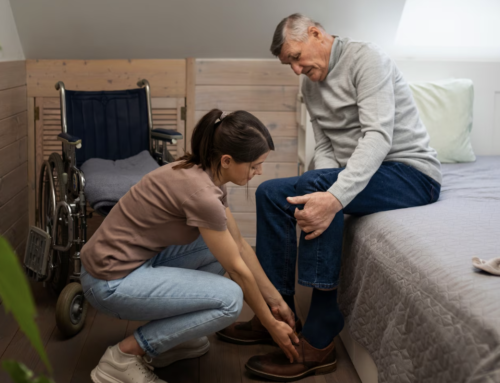
Caregivers play a critical role in reducing fall risks and supporting independence without over-assisting.
Caregiver Best Practices
- Encourage the use of assistive devices consistently
- Monitor medication timing and symptom changes
- Assist with home safety checks and modifications
- Support regular exercise and therapy routines
- Learn safe transfer and walking assistance techniques
- Provide calm verbal cues during freezing episodes
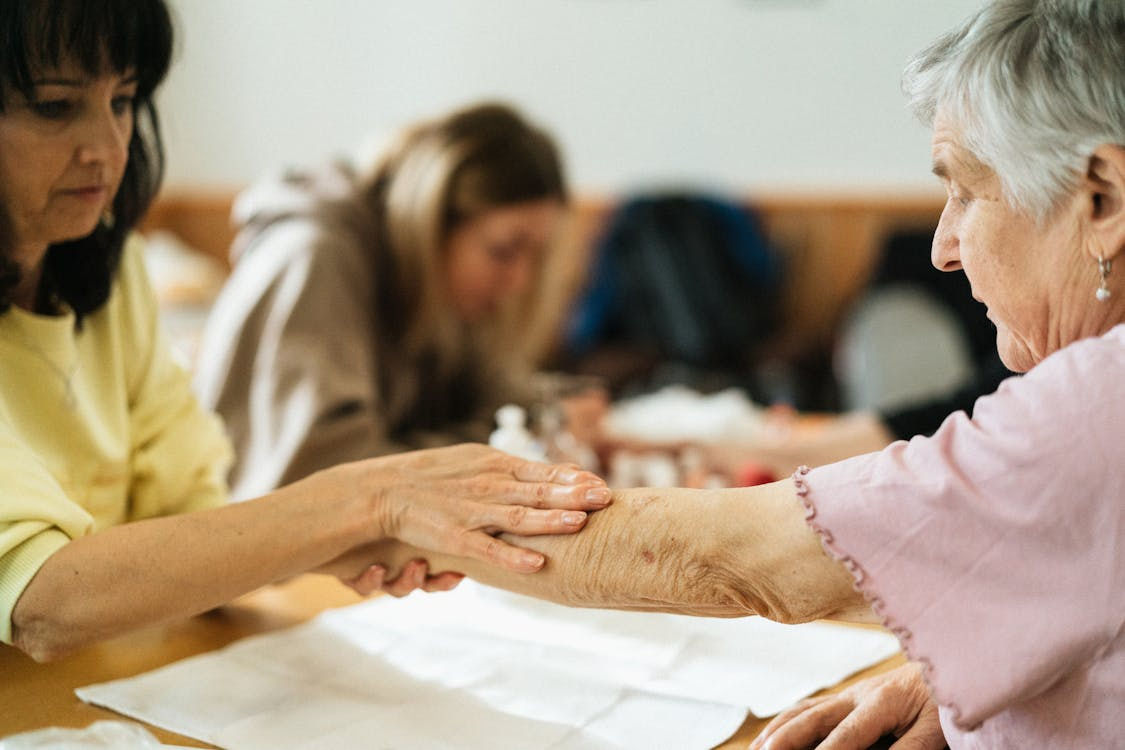
Education and teamwork help caregivers and patients work together to minimize falls with Parkinson’s while maintaining dignity and autonomy.
When to Seek Specialized Care
Frequent falls, near-falls, or increasing fear of movement are signs that care plans may need adjustment. Specialized neurological evaluation ensures that mobility challenges are addressed comprehensively through therapy, medication management, and supportive interventions.
Access to expert treatment for Parkinson’s disease in LA can help individuals stay safer for longer and adapt proactively as symptoms evolve.
Take the Next Step Toward Safer Living
Reducing fall risk is a crucial part of long-term neurological care. If you or a loved one is navigating Parkinson’s disease or related cognitive conditions, expert support makes a meaningful difference.
Neurology and Cognitive Neuroscience Institute provides comprehensive treatments for dementia and Parkinson’s in LA, along with personalized neurological care designed to support safety, mobility, and quality of life.
Contact our team today to learn how proactive care can help you move forward with confidence.