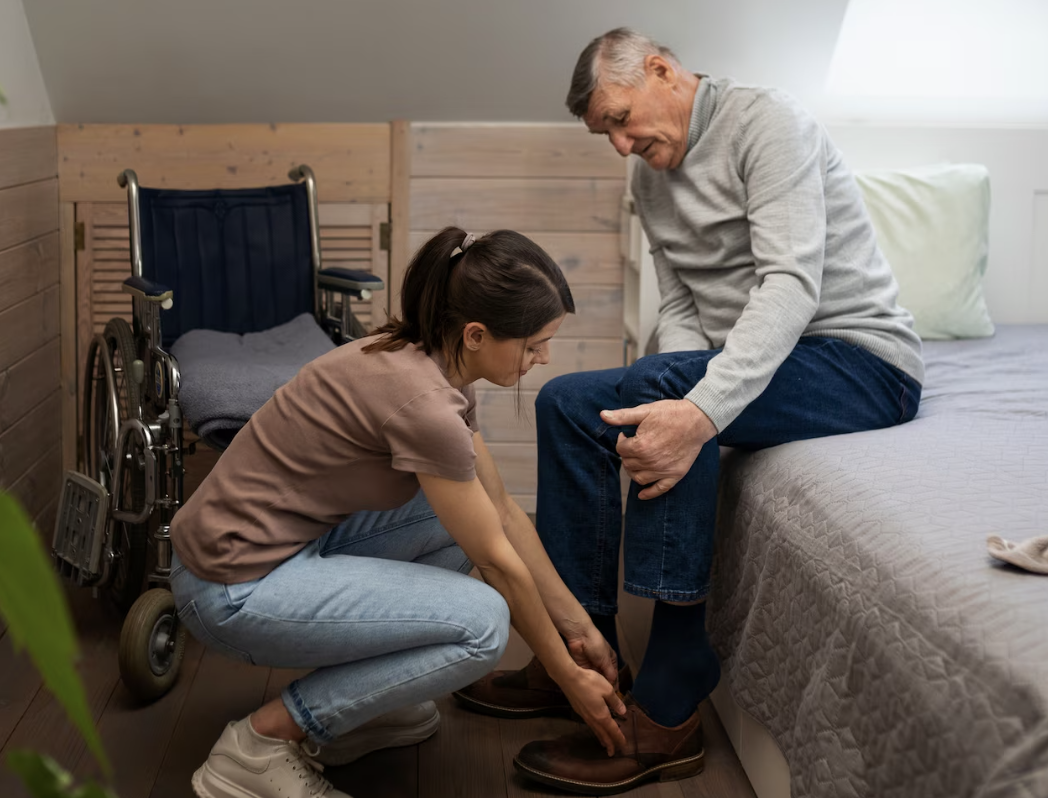



Caring for a loved one with Alzheimer’s disease can be both meaningful and challenging. As the condition progresses, individuals may struggle with memory, communication, and daily activities, requiring increasing levels of support. For caregivers, understanding how to respond with patience, structure, and compassion is essential. This guide offers practical advice for caregivers of Alzheimer’s patients, including communication techniques, routine management, behavioral strategies, and ways to protect your own well-being.
Whether you are supporting someone recently diagnosed or managing later stages of the disease, the right strategies can make daily life more manageable for both you and your loved one.
Understanding Alzheimer’s and the Caregiver’s Role

Structured daily routines can reduce confusion and provide comfort for individuals with Alzheimer’s disease.
Alzheimer’s disease is a progressive neurological condition that affects memory, thinking, and behavior. As the disease advances, individuals gradually lose the ability to perform everyday tasks independently. Caregivers often become responsible for managing medications, ensuring safety, and providing emotional support.
While medical professionals focus on treatment for Alzheimer’s in Huntington Beach and other specialized care programs, caregivers play a vital role in maintaining comfort and stability at home. Learning effective caregiving techniques can significantly improve the quality of life for both the patient and the caregiver.
Effective Communication Strategies

Understanding behavioral changes is key when applying the right advice for caregivers of Alzheimer’s patients
One of the most common challenges caregivers face is communicating with someone whose memory and language abilities are declining. Adjusting how you speak and respond can help reduce confusion and frustration.
Use simple and clear language.
Short sentences and direct instructions are easier for someone with Alzheimer’s to understand. Avoid giving multiple instructions at once.
Maintain eye contact and a calm tone.
Nonverbal cues such as facial expressions and body language help convey reassurance and understanding.
Allow extra time for responses.
Individuals with Alzheimer’s may need longer to process information. Be patient and avoid interrupting.
Avoid correcting constantly.
If the person makes a factual mistake, gently redirect the conversation instead of arguing. Maintaining emotional comfort is more important than being correct.
These strategies are among the most effective forms of advice for caregivers of Alzheimer’s patients, helping create a calmer and more supportive environment.
Establishing Consistent Daily Routines
People living with Alzheimer’s often feel more secure when their day follows a predictable structure. Creating consistent routines reduces anxiety and helps them maintain independence longer.
Consider structuring the day around regular times for:
- Meals
- Medication
- Personal hygiene
- Exercise or walks
- Rest periods
- Social activities
Keep commonly used items in the same place and label drawers or rooms if necessary. Consistency helps reduce confusion and supports cognitive functioning.
Many caregivers also combine structured routines with professional treatment programs for Alzheimer’s in Huntington Beach, where patients can receive therapy, cognitive stimulation, and medical monitoring.
Managing Behavioral and Emotional Changes
Alzheimer’s disease often causes behavioral changes such as agitation, wandering, sleep disturbances, or mood swings. These changes can be difficult for caregivers, but understanding their triggers can make them easier to manage.
Identify possible causes.
Behavioral changes may stem from physical discomfort, hunger, fatigue, or unfamiliar surroundings.
Use redirection instead of confrontation.
If the person becomes upset or confused, gently guide their attention to another activity rather than arguing.
Create a calm environment.
Reduce noise, maintain comfortable lighting, and keep the home organized to minimize overstimulation.
Encourage safe physical activity.
Walking or light exercise can help reduce agitation and improve sleep.
Professional support programs that provide treatment for Alzheimer’s in Huntington Beach can also help address behavioral symptoms through specialized therapies and neurological care.
Supporting Independence When Possible
Even as Alzheimer’s progresses, maintaining a sense of independence can help preserve dignity and confidence. Caregivers should encourage participation in everyday tasks whenever it is safe.
Allow the individual to help with simple activities such as:
- Folding laundry
- Setting the table
- Watering plants
- Choosing clothing
Provide guidance when needed, but avoid taking over completely. Supporting independence is a key component of compassionate advice for caregivers of Alzheimer’s patients, helping patients feel valued and engaged.
Prioritizing Caregiver Well-Being
Caring for someone with Alzheimer’s can be physically and emotionally demanding. Many caregivers experience stress, exhaustion, or burnout if they neglect their own needs.
To maintain your well-being:
Take regular breaks.
Respite care, family assistance, or adult day programs can give caregivers time to rest.
Seek support groups.
Connecting with other caregivers can provide emotional reassurance and practical advice.
Maintain your health.
Exercise, balanced nutrition, and adequate sleep are essential for sustaining long-term caregiving.
Consult medical professionals.
Working with specialists who offer treatment for Alzheimer’s in Huntington Beach can provide guidance, resources, and advanced care options.
Remember that taking care of yourself allows you to provide better care for your loved one.
When Professional Support Becomes Necessary
As Alzheimer’s advances, caregiving needs often become more complex. Professional medical support can help manage symptoms, monitor cognitive decline, and provide therapies designed to slow disease progression.
Neurologists, memory care specialists, and cognitive health professionals can evaluate symptoms, recommend treatment plans, and support caregivers through each stage of the disease. Seeking professional help is not a sign of failure—it is an important step in ensuring the best possible care.
Combining expert care with practical advice for caregivers of Alzheimer’s patients can significantly improve both patient outcomes and caregiver resilience.
If you are caring for someone with Alzheimer’s disease, you do not have to navigate this journey alone. Expert guidance and specialized treatment can make a meaningful difference in managing symptoms and improving quality of life.
Neurology and Cognitive Neuroscience Institute provides comprehensive care for dementia and Alzheimer’s patients in Los Angeles.
Our team of specialists offers advanced diagnostics, personalized treatment plans, and compassionate support for both patients and caregivers.
Contact the Neurology and Cognitive Neuroscience Institute today to learn more about available resources and treatment options designed to support your loved one’s cognitive health and well-being.