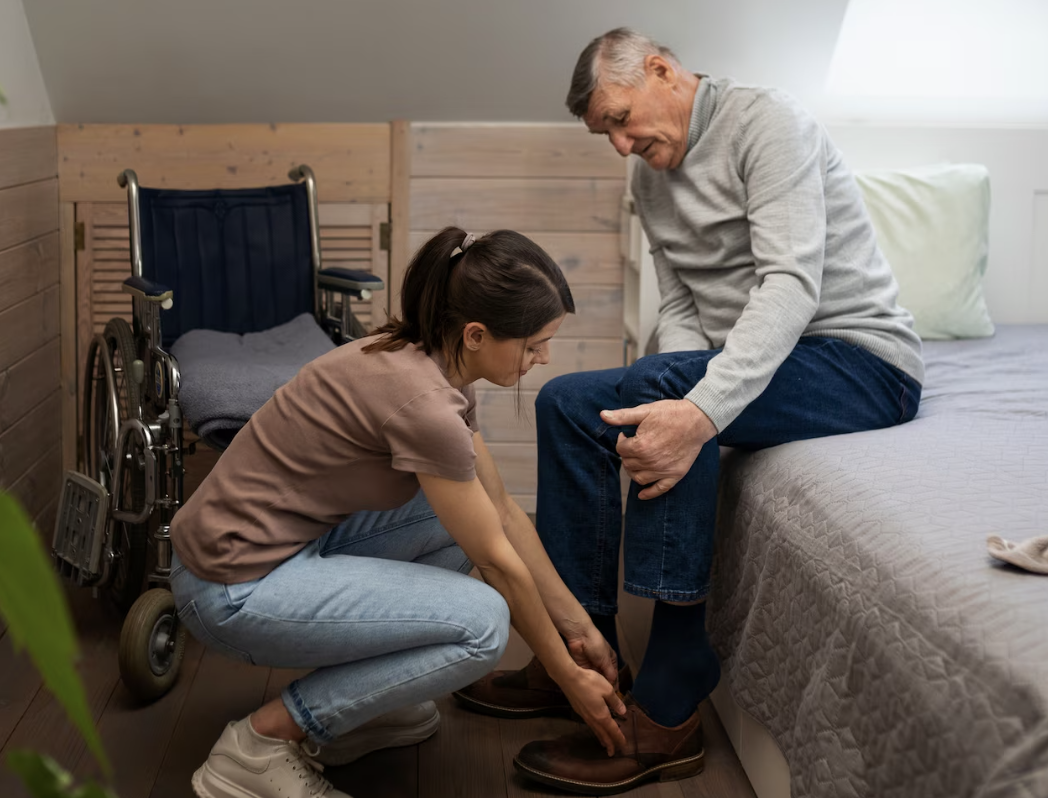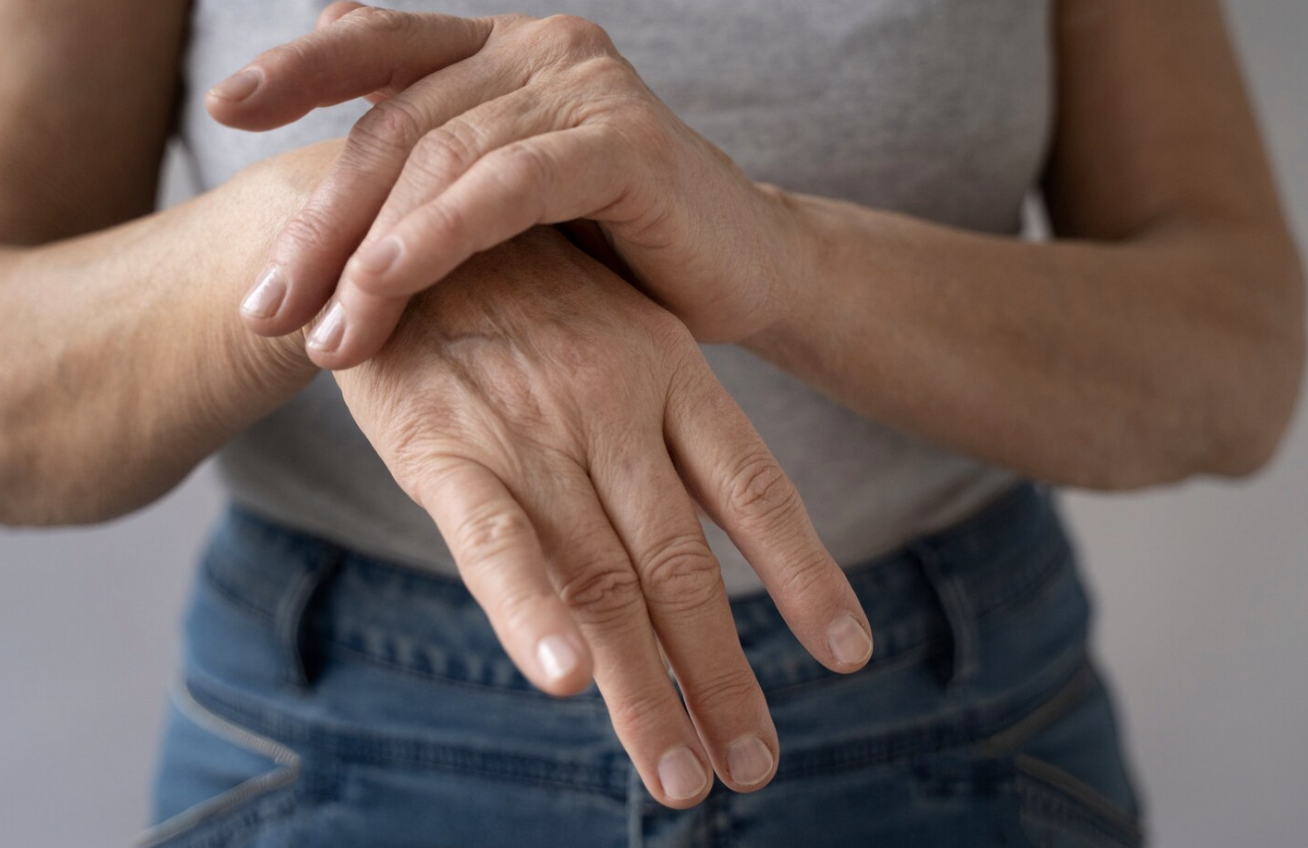


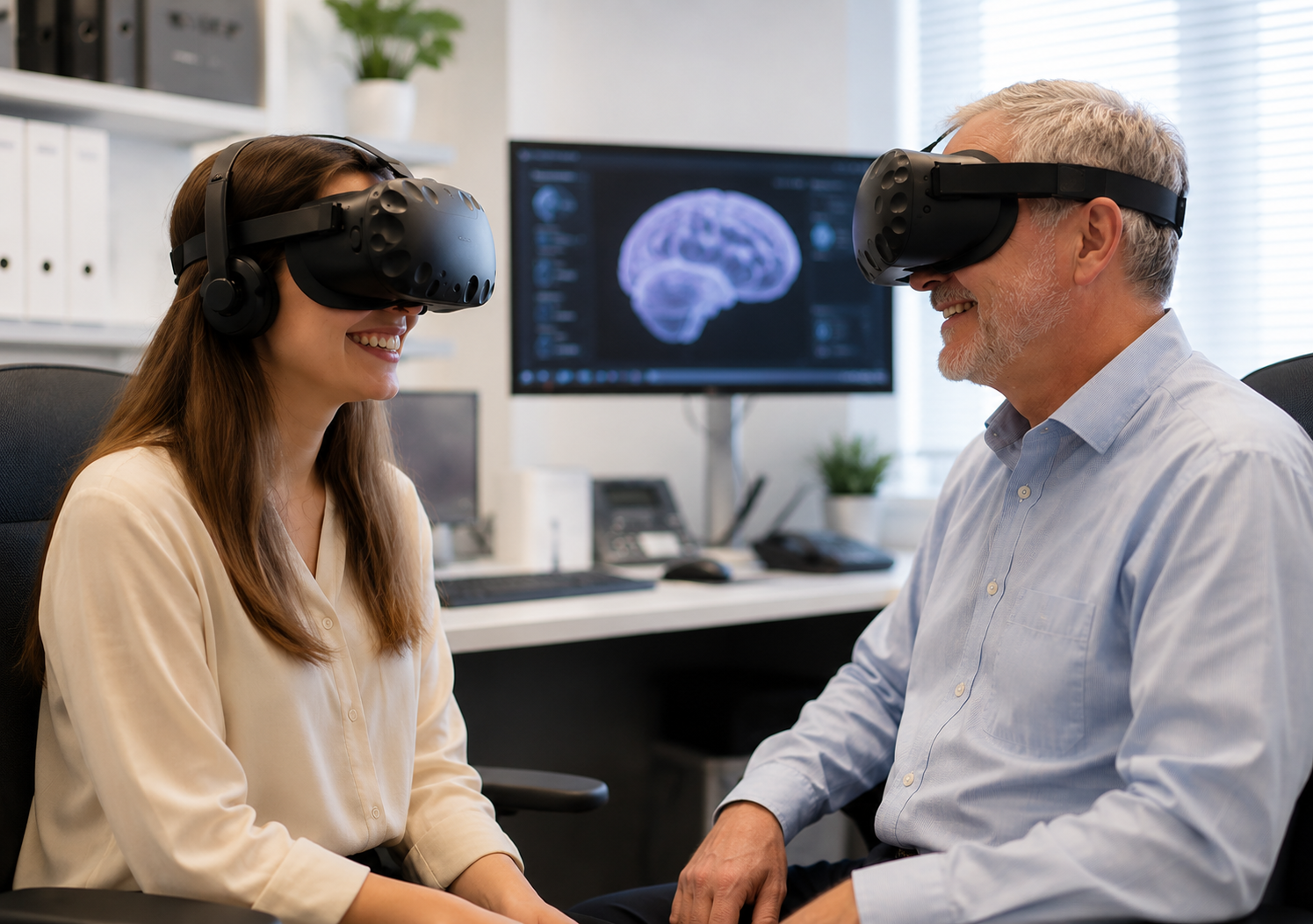
Artificial intelligence is no longer a futuristic concept in neurology; it’s already reshaping how doctors detect, monitor, and treat Parkinson’s disease. AI in Parkinson’s care is helping clinicians catch subtle motor changes years before a traditional diagnosis, track symptoms continuously instead of relying on a single office visit, and tailor treatment plans to each patient’s unique pattern of disease. For patients and families navigating a Parkinson’s diagnosis, these tools offer something that was hard to come by in the past: an earlier, clearer picture of what’s happening in the brain and body. These same AI-assisted tools are already being used by practices that provide treatment for tremors and treatment for Parkinson’s disease, giving patients access to the latest diagnostic approaches close to home.
Earlier Diagnosis Through AI-Powered Pattern Recognition
By the time most people receive a Parkinson’s diagnosis, a significant portion of their dopamine-producing brain cells have already been lost, which means symptoms have often been building quietly for years. AI models trained on movement data, speech patterns, and imaging are helping change that timeline. According to the National Institute of Neurological Disorders and Stroke, researchers are increasingly combining biomarker data with computational tools to identify Parkinson’s earlier and track how it progresses over time. Algorithms can now flag irregular movement patterns, changes in gait, or shifts in vocal tone that are too subtle for the human eye or ear to reliably catch during a short clinical visit, giving physicians objective data to support what they observe in the exam room. Practices using these tools often provide treatment for headaches and treatment for migraine, so diagnostic advances translate directly into a patient’s care plan.
Wearable Devices and Continuous Symptom Monitoring
One of the most practical applications of AI in Parkinson’s care is continuous, at-home symptom tracking. Wearable devices such as smartwatches and motion sensors can now record tremor, dyskinesia, gait, and sleep patterns around the clock, giving doctors a far more complete picture than a single 15-minute appointment ever could. The Parkinson’s Foundation has reported on wearable movement-tracking technology capable of detecting signs of Parkinson’s years before a clinical diagnosis, while a recent scoping review of AI-enabled wearables found a rapidly growing body of research supporting their use in motor function assessment and rehabilitation. For patients, this often means fewer guesses between visits and a treatment team that can see how symptoms actually fluctuate throughout a normal day, not just during a single appointment. The same wearable data is also proving useful for treatment for dementia and treatment for Alzheimer’s, since continuous monitoring can reveal patterns a single office visit would miss.
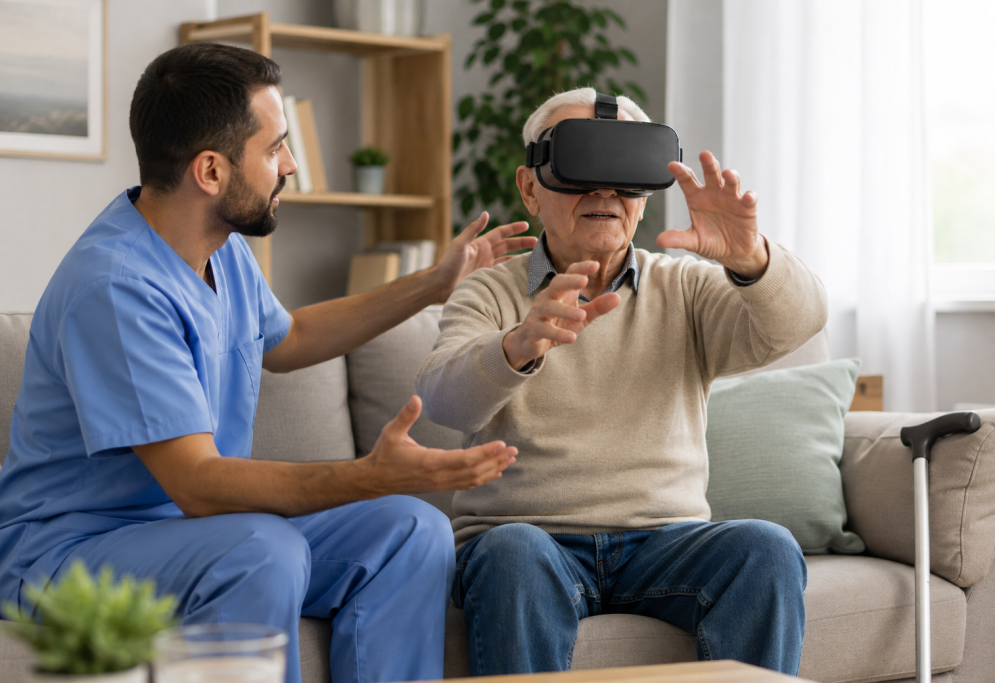
Virtual reality tools can support movement assessment and help clinicians better understand how neurological symptoms affect everyday function
Personalized Treatment Planning
Parkinson’s affects every patient differently, and AI is helping move care away from a one-size-fits-all approach. By analyzing an individual’s symptom history, medication response, and movement data, AI-assisted tools can help physicians fine-tune medication timing and dosing, and even support programming decisions for therapies like Deep Brain Stimulation. A recent review of AI-driven precision diagnosis and treatment in Parkinson’s disease highlights how machine learning models are being used to predict individual treatment response and guide more targeted interventions, rather than relying solely on standardized dosing schedules. Over time, this kind of data-driven approach can mean fewer trial-and-error adjustments and a treatment plan that evolves alongside the disease itself.
Predicting Disease Progression and Supporting Research
Because Parkinson’s progresses differently from person to person, predicting its course has long been one of the field’s biggest challenges. The Michael J. Fox Foundation reports that AI models are now helping researchers link imaging, biomarkers, and genetics into a single view of the disease, spotting early warning signs and predicting how quickly symptoms may change. This kind of insight is also helping researchers design smarter, more efficient clinical trials, moving the field closer to truly personalized medicine. Research momentum like this often spills over into other areas of care, including cluster headache treatment for patients dealing with severe, recurring pain.
What This Means for Quality of Life
Beyond diagnosis and treatment, AI-powered tools are giving patients more control over their day-to-day symptom management. The Parkinson’s Foundation’s guide to tech tools for daily living points to apps that log symptoms, medication timing, and “on” and “off” periods, helping patients and care partners spot patterns and have more informed conversations with their care team. Combined with clinical AI tools, this steady stream of data is helping doctors adjust treatment faster and more precisely than ever before. Newer delivery methods are part of this same shift, including VYALEV Pump for chronic conditions, which is designed to smooth out symptom fluctuations throughout the day.

Wearable technology and AI-powered movement analysis can provide continuous data to support more personalized Parkinson’s treatment planning
Advanced, Personalized Parkinson’s Care in Los Angeles and Huntington Beach
As AI in Parkinson’s care continues to evolve, patients benefit most when these tools are paired with an experienced movement disorder specialist who can put the data into context. At the Neurology and Cognitive Neuroscience Institute, we combine advanced diagnostic and monitoring approaches with individualized treatment plans for Parkinson’s disease, including medication management, Deep Brain Stimulation Treatment in Huntington Beach, and infusion therapies, for patients throughout Los Angeles and Huntington Beach. Our team takes the time to understand how your symptoms show up day to day so we can build a plan around your specific needs. Contact Neurology and Cognitive Neuroscience Institute today to schedule an evaluation with our movement disorder specialists.