

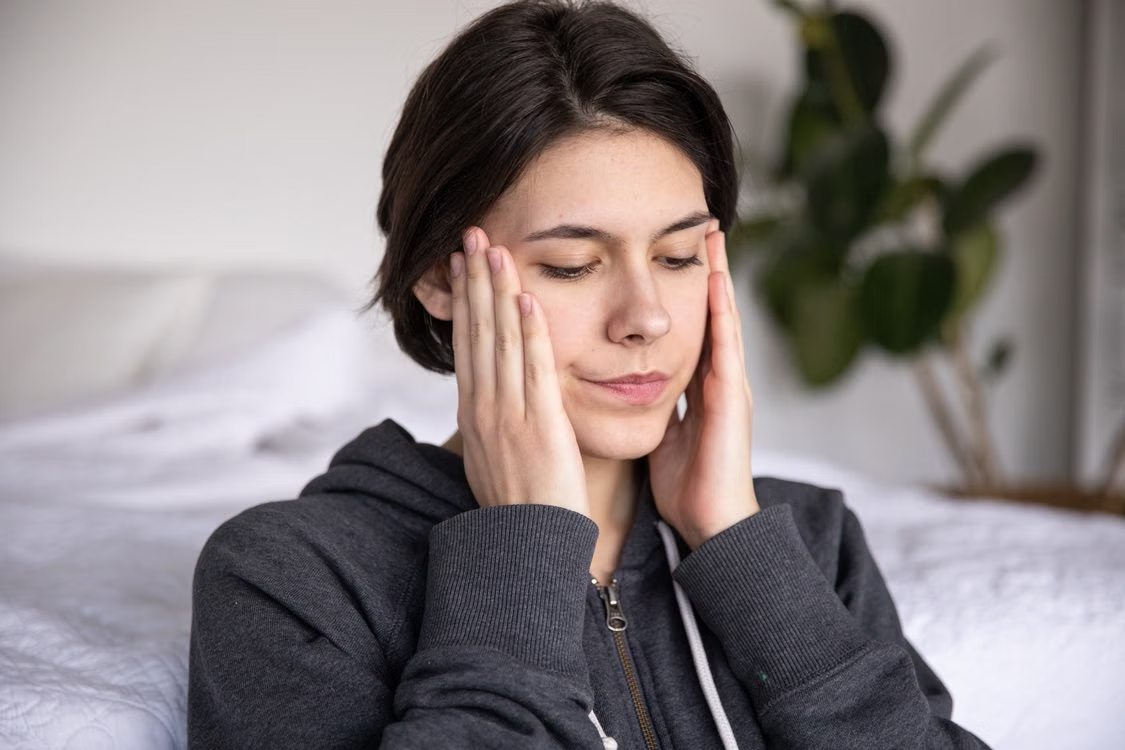
A sudden, sharp pain in the head can be alarming, especially when it seems to come out of nowhere. Some people describe these brief bursts of pain as feeling like a jab, stab, or sharp prick inside the head. When these episodes occur, we may naturally wonder whether they are related to migraine, stress, or something more serious.
Ice pick headaches are a type of primary headache characterized by very brief, stabbing head pains. Although the pain can be intense, these episodes are usually short-lived. Understanding what they are, how they differ from other headache disorders, and when we should seek medical attention can help us respond appropriately when sudden head pain occurs.
What Do Ice Pick Headaches Feel Like?
Ice pick headaches typically cause a sudden, sharp, stabbing sensation. The pain may occur around the eye, temple, forehead, or another area of the head. Some people experience one isolated stab, while others may have several brief episodes over a period of time.
The pain can be intense despite lasting only a few seconds. In some cases, individual attacks may last slightly longer, but the defining feature is their brief duration.
Unlike some headaches that gradually build and remain for hours, these stabbing pains can appear abruptly and disappear just as quickly. They may also occur without warning, making them particularly unsettling.
The location of the pain can vary, and an episode doesn’t necessarily happen in exactly the same spot every time. Because sudden head pain can have many potential causes, it’s important not to assume that every sharp headache is an ice pick headache.
How Long Do These Headaches Last?
One of the most noticeable characteristics of ice pick headaches is how quickly they come and go. Individual episodes generally last only a few seconds.
Some people may experience several stabs throughout the day, while others may go days, weeks, or longer without an episode. The frequency can vary significantly from person to person.
Because the attacks are so brief, they may be difficult to describe during a medical appointment. We can make the conversation more useful by noting when the pain happens, where we feel it, how long it lasts, how frequently it occurs, and whether anything else happens at the same time.
Keeping a simple headache diary can help us identify patterns and provide useful information to a healthcare professional.
What Can Trigger Sudden Stabbing Head Pain?
There isn’t always an obvious trigger. Some episodes may occur spontaneously, while others may appear alongside another headache disorder.
For some people, changes in sleep, stress, or other individual factors may coincide with headache episodes. However, we shouldn’t assume that a particular activity or food is responsible without observing a consistent pattern.
This is one reason tracking symptoms can be helpful. Instead of eliminating numerous foods or activities unnecessarily, we can look for repeatable associations.
If stabbing head pain begins occurring frequently, becomes more intense, or changes from our usual pattern, discussing it with a healthcare professional is important.
How Are Ice Pick Headaches Different From Migraine?
Migraine and ice pick headaches can both cause significant pain, but they typically have very different characteristics.
Migraine attacks often last much longer and may be accompanied by symptoms such as nausea, sensitivity to light or sound, or visual changes. Some people experience an aura before or during a migraine attack.
Ice pick headaches, by contrast, are generally extremely brief and consist primarily of sudden stabbing pain.
It’s also possible for someone who experiences migraine to have brief stabbing headaches as well. Having one type of headache doesn’t automatically rule out another. That’s why a detailed description of symptoms is often more useful than focusing only on the intensity of the pain.
Other headache disorders can also cause sharp or severe pain, so an accurate diagnosis depends on the overall pattern.
Could It Be Another Type of Headache?

it’s important to look at the entire symptom pattern rather than diagnosing ourselves based on one characteristic
Not every sudden headache is an ice pick headache. Several other headache disorders can produce intense or unusual pain.
For example, cluster headaches can cause severe pain, often around or behind one eye, and may occur with symptoms such as tearing, nasal congestion, or restlessness. Tension-type headaches typically produce a different sensation, often involving pressure or tightening rather than brief stabbing pains.
We may also experience headaches associated with migraine, medication overuse, infections, or other medical conditions.
This is why it’s important to look at the entire symptom pattern rather than diagnosing ourselves based on one characteristic.
When Should Sudden Head Pain Concern Us?
A sudden headache that is dramatically different from our usual headaches should always be taken seriously.
We should seek urgent medical attention for a sudden, severe headache that reaches maximum intensity very quickly, particularly if it is unlike anything we’ve experienced before. Immediate evaluation is also important when head pain occurs with symptoms such as weakness, numbness, difficulty speaking, confusion, fainting, significant vision changes, seizures, fever with a stiff neck, or after a significant head injury.
These symptoms don’t necessarily mean that a serious condition is present, but they can signal a medical emergency and should not be ignored.
Even when there are no emergency symptoms, we should arrange a medical evaluation if headaches become more frequent, persistent, progressively worse, or noticeably different from our normal pattern.
How Are Ice Pick Headaches Diagnosed?
There isn’t a single test that automatically confirms an ice pick headache. Diagnosis generally begins with a detailed medical history and neurological evaluation.
We may ask about the location, quality, duration, frequency, and timing of the pain. We also consider associated symptoms and whether the person has a history of migraine or another headache disorder.
Depending on the symptoms and examination, additional testing may or may not be appropriate. The goal is not simply to label the pain but to make sure potentially serious causes are considered when necessary.
Get Personalized Headache Care With Movement Help
When sudden or recurring head pain becomes difficult to understand or starts interfering with daily life, we’re here to help. At Movement Help, we provide neurological evaluation focused on understanding each patient’s symptoms and developing an individualized care plan.
Our approach to Treatment for Headaches in LA considers the characteristics of the headache, associated symptoms, frequency, and overall clinical history. For patients who need specialized Treatment for Migraine Los Angeles, we can also evaluate whether migraine may be contributing to their symptoms and discuss appropriate management options.
If you’re experiencing sudden stabbing head pain, recurrent headaches, or a noticeable change in your usual headache pattern, we encourage you to schedule an evaluation with Movement Help. Getting the right diagnosis can help us understand what we’re dealing with and determine the most appropriate next steps for better headache management.