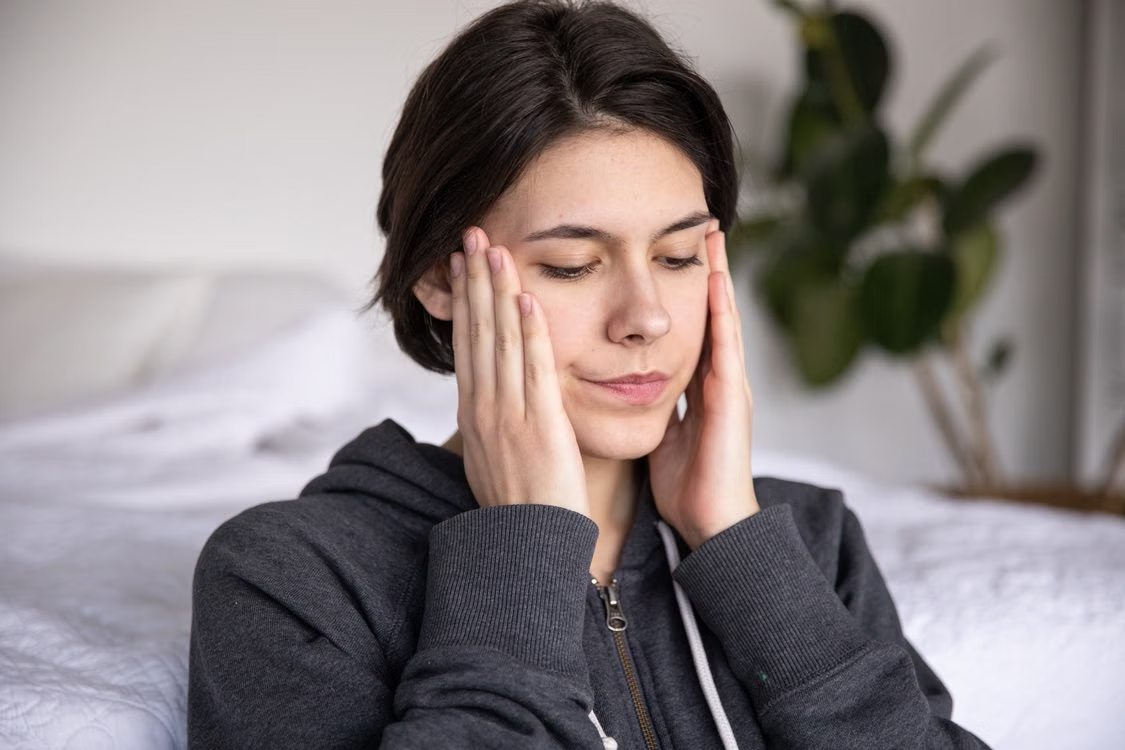



For some people, enjoying a glass of wine or a cocktail is followed by an unexpected migraine attack. Others may drink alcohol without experiencing any noticeable symptoms. This raises an important question: Is alcohol a migraine trigger, or does its effect depend on individual sensitivity?
The relationship between alcohol and migraine is complex. While alcohol is a recognized trigger for some individuals, not everyone with migraines experiences headaches after drinking. Factors such as beverage type, alcohol consumption, hydration, sleep patterns, and personal migraine thresholds may influence how the body responds.
Understanding this connection can help individuals recognize potential triggers and make informed lifestyle choices. For those experiencing frequent attacks, seeking professional treatment for migraines in Los Angeles can help identify contributing factors and develop personalized management strategies.
Understanding the Connection Between Alcohol and Migraine

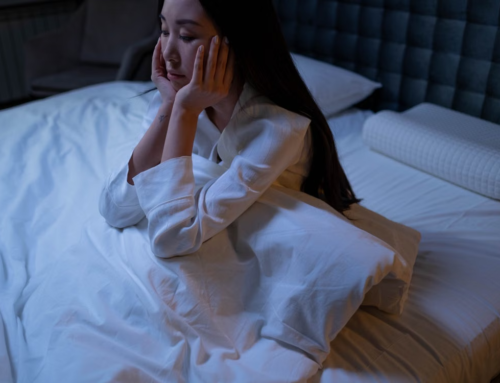
Could your drinking habits be linked to recurring migraines? Keeping a headache diary may help you identify patterns, recognize potential triggers, and better understand your individual sensitivities
Migraine is a neurological disorder characterized by recurring attacks of moderate to severe headaches, often accompanied by nausea, sensitivity to light, and sensitivity to sound.
Although the exact mechanisms behind migraines are complex, researchers believe they involve changes in nerve signaling, pain-processing pathways, and the release of certain neurochemicals.
Alcohol may influence several of these processes, potentially increasing the likelihood of an attack in susceptible individuals.
However, the relationship between alcohol and migraine is not universal. Some people consistently experience headaches after consuming alcohol, while others notice symptoms only occasionally.
This variation highlights the importance of understanding personal triggers rather than assuming every alcoholic beverage will cause a migraine.
Why Can Alcohol Trigger a Migraine Attack?

Alcohol affects everyone differently, and migraine triggers are no exception
Several mechanisms may explain why alcohol contributes to migraine symptoms.
1. Changes in Blood Vessel Activity
Alcohol can cause blood vessels to widen temporarily, a process known as vasodilation.
Although migraine is not simply a blood vessel disorder, alcohol-related vascular changes may interact with neurological pathways involved in migraine attacks.
2. Dehydration
Alcohol increases urine production by affecting the body’s fluid-regulating hormones.
This can contribute to dehydration, particularly when alcohol consumption is accompanied by inadequate water intake.
Dehydration may cause headaches independently and can also contribute to migraine susceptibility in certain individuals.
3. Histamine and Other Compounds
Some alcoholic beverages, particularly fermented drinks such as wine and beer, contain histamine and other naturally occurring compounds.
These substances have been investigated as possible migraine triggers, although research has not consistently established their role.
Individual sensitivity may explain why certain drinks appear more problematic than others.
4. Disrupted Sleep
Alcohol may initially cause drowsiness, but it can interfere with sleep quality later in the night.
Poor sleep is a common migraine trigger, making alcohol-related sleep disruption another possible contributing factor.
Does the Type of Alcohol Matter?
People frequently associate red wine with migraine attacks. However, other alcoholic beverages may also contribute to headaches.
Red Wine: Often reported as a migraine trigger, possibly because of its alcohol content and naturally occurring compounds.
White Wine: May trigger symptoms in some individuals, although responses vary.
Beer: Contains alcohol and fermentation-related compounds that may contribute to headaches in susceptible individuals.
Spirits: Drinks such as vodka, whiskey, and rum may also trigger migraines, particularly when consumed in larger quantities.
Research has not conclusively established that one alcoholic beverage consistently causes more migraines than another.
The amount consumed, individual sensitivity, and surrounding circumstances may be more important than the beverage itself.
Why Do Migraine Triggers Differ From Person to Person?

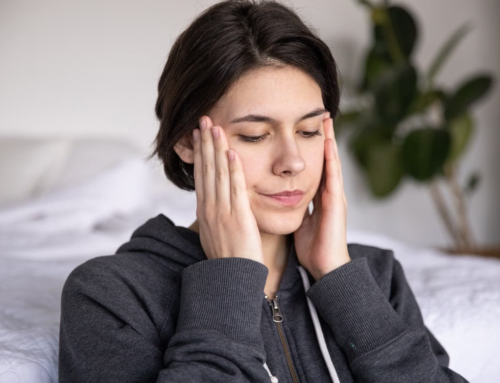
Can a glass of wine or beer trigger a migraine? Discover the connection between alcohol and migraine and why certain drinks may contribute to painful headache episodes
One of the most important aspects of understanding alcohol and migraine is recognizing that migraine thresholds differ between individuals.
A migraine threshold refers to the point at which a combination of contributing factors makes an attack more likely.
For example, someone may drink a small amount of alcohol without experiencing symptoms under normal circumstances. However, the same amount may contribute to an attack after a stressful day or a night of inadequate sleep.
Common factors that may lower migraine thresholds include:
- Irregular sleep schedules
- Emotional or physical stress
- Skipping meals
- Dehydration
- Hormonal fluctuations
- Bright lights or strong odors
- Changes in daily routines
These factors may interact, making it difficult to identify a single cause for every migraine attack.
Understanding these patterns is an important part of effective headaches treatment and long-term migraine management.
Can Alcohol Make an Existing Migraine Worse?
Alcohol may worsen symptoms when a migraine attack is already developing.
During an attack, individuals often experience heightened sensitivity to sensory stimulation, nausea, and changes in their ability to tolerate certain foods or beverages.
Drinking alcohol during this period may contribute to dehydration, interfere with sleep, or intensify discomfort.
Additionally, alcohol may interact with certain migraine medications or increase their side effects.
For these reasons, avoiding alcohol during an active migraine is generally advisable.
It is also important to distinguish migraine attacks from ordinary alcohol-related headaches or hangovers. Although symptoms can overlap, the underlying mechanisms and treatment approaches may differ.
How Can a Headache Diary Help Identify Alcohol-Related Triggers?
Keeping a headache diary is one of the most practical ways to investigate whether alcohol contributes to recurring migraines.
Rather than relying on memory, a diary allows individuals to document symptoms and identify patterns over time.
Consider recording the following information:
- Alcohol consumption: Type of beverage, approximate amount, and time consumed.
- Headache onset: When symptoms began and how long they lasted.
- Pain characteristics: Location, intensity, and associated symptoms.
- Sleep patterns: Sleep duration and quality before the attack.
- Food and hydration: Meals, water intake, and any skipped meals.
- Other triggers: Stress, hormonal changes, or environmental factors.
After several weeks, reviewing these records with a healthcare professional may help identify possible associations.
However, a headache diary cannot prove that alcohol caused a particular attack. Patterns should be interpreted alongside medical history and other contributing factors.
Alcohol-Related Migraines vs. Tension Headaches
Not every headache following alcohol consumption is a migraine.
Tension headaches typically cause mild to moderate pressing or tightening pain, often affecting both sides of the head.
Migraines, on the other hand, frequently involve throbbing or pulsating pain, nausea, and sensitivity to light or sound. Migraine pain may affect one or both sides of the head.
Alcohol-related dehydration can also produce headaches that do not meet the diagnostic criteria for migraine or tension-type headache.
Recognizing these differences is important because each condition may require a different treatment approach.
When Should You Seek Medical Attention?
Occasional headaches may not always require specialized treatment. However, recurring or increasingly severe migraines deserve medical evaluation.
Consider consulting a neurologist if:
- Migraine attacks become more frequent or intense.
- Headaches interfere with work, sleep, or daily activities.
- You experience new or changing headache symptoms.
- Over-the-counter medications provide inadequate relief.
- You frequently need medication to manage headache pain.
Seek emergency medical attention for a sudden, extremely severe headache or one accompanied by new neurological symptoms, such as weakness, confusion, or difficulty speaking.
A neurological evaluation can help determine the headache type and identify suitable acute and preventive treatment options.
Take Control of Recurring Headaches With Specialized Neurological Care
Understanding how alcohol and other lifestyle factors influence migraines can be an important step toward reducing headache-related disruptions. However, effective management involves more than simply avoiding suspected triggers.
At Neurology and Cognitive Neuroscience Institute, we provide comprehensive treatment for headaches, including migraines and other recurring headache disorders. We emphasize individualized neurological evaluations and treatment strategies tailored to each patient’s symptoms, medical history, and needs.
If recurring migraines are affecting your daily routine, explore professional treatment for migraines in Los Angeles at Neurology and Cognitive Neuroscience Institute. Schedule a consultation to better understand your headache patterns and discover treatment options designed to help you manage symptoms with greater confidence.
Schedule a consultation with us today.