


A migraine is a neurological event, not simply an unusually painful headache. Understanding what happens in the brain during a migraine can make symptoms less mysterious and help patients describe what they experience. Some people notice visual changes, nausea or sound sensitivity before pain begins, while others have little warning. The migraine phases can also overlap or appear in different combinations from one attack to another.
Our approach to migraine headache care starts with listening to the full symptom history, because the same diagnosis can feel very different for different people. Learning the underlying pathways helps explain why treatment often needs to be individualized.
How Does the Brain Process a Migraine Attack?
Researchers continue to study exactly how attacks begin, but migraine involves changes in brain activity and the way sensory signals are processed. Nerve pathways involved in pain become more responsive, making ordinary light, sound, movement or touch feel difficult to tolerate. These changes help explain why migraine symptoms can extend far beyond one side of the head.
The trigeminal nerve carries sensation from much of the face and head. During an attack, activity along the trigeminal pain pathway can contribute to the release of signaling chemicals around pain-sensitive tissues. The brain interprets and amplifies these messages through connected networks. No single mechanism explains every person’s attacks, and research is still clarifying how multiple processes interact.
This increased sensitivity helps explain allodynia, a feature in which something normally painless, such as brushing hair, feels uncomfortable. Not every person experiences it, but reporting such changes gives the clinician a fuller picture. The biological pathways interact with sleep, stress and genetics; describing them as a simple switch that turns pain on would miss important complexity.
The Four Migraine Phases and What They Can Feel Like
An attack may unfold in four stages, although not everyone goes through each one. The Mayo Clinic overview of migraine symptoms describes changes that can occur before, during and after head pain.
The prodrome may bring yawning, mood shifts, food cravings, neck stiffness or trouble concentrating hours before pain. Aura, when present, can involve temporary visual patterns or altered sensation. During the headache stage, pain may come with nausea and sensitivity to light, sounds or smells. The postdrome can leave a person drained or mentally foggy even after pain subsides.
It is useful to keep a brief record of what happens and when. A pattern across several attacks offers more context than one isolated symptom. The stages may blend together, and people can have migraine attacks with little or no head pain.

Sensitivity to light and sound can limit activity during migraine attacks
Why Some People Experience Migraine Aura
Aura is a group of temporary neurological symptoms that some people experience, often before headache but sometimes during it or without subsequent pain. Flashing lights, zigzag lines, blind spots, tingling or difficulty finding words may occur. A leading explanation for visual aura involves a slowly spreading change in electrical activity across the brain’s outer layer, called cortical spreading depolarization.
The American Migraine Foundation explanation of signs and symptoms can help patients recognize common migraine features without assuming all unusual symptoms are harmless. A first-time aura, a markedly different episode, sudden weakness or abrupt severe headache should not be self-diagnosed as migraine. New or alarming neurological changes deserve prompt medical assessment, especially when they do not fit an established pattern.
What CGRP Reveals About Migraine Treatment
Calcitonin gene-related peptide, usually shortened to CGRP, is a signaling molecule associated with migraine pathways. It can influence pain transmission and blood-vessel-related responses. This research has supported medications designed to block CGRP or its receptor, expanding options for both prevention and treatment of attacks in appropriately selected patients.
The American Migraine Foundation discussion of newer treatment directions places CGRP research within a broader approach to migraine management. Many people also benefit from established acute medications, preventive options, lifestyle changes or combinations chosen after reviewing their medical history.
An effective plan considers attack frequency, disability, medication use and other health factors. Newer treatment does not automatically mean better treatment for every patient. Tracking responses and discussing side effects with a clinician are more useful than repeatedly switching approaches without guidance.
Because medication overuse can itself worsen headache patterns, patients should also discuss how frequently they use short-term pain relievers. Prevention may be considered when attacks happen often or interfere substantially with work, family life or ordinary activities. The best choice depends on clinical assessment, not a single laboratory value.
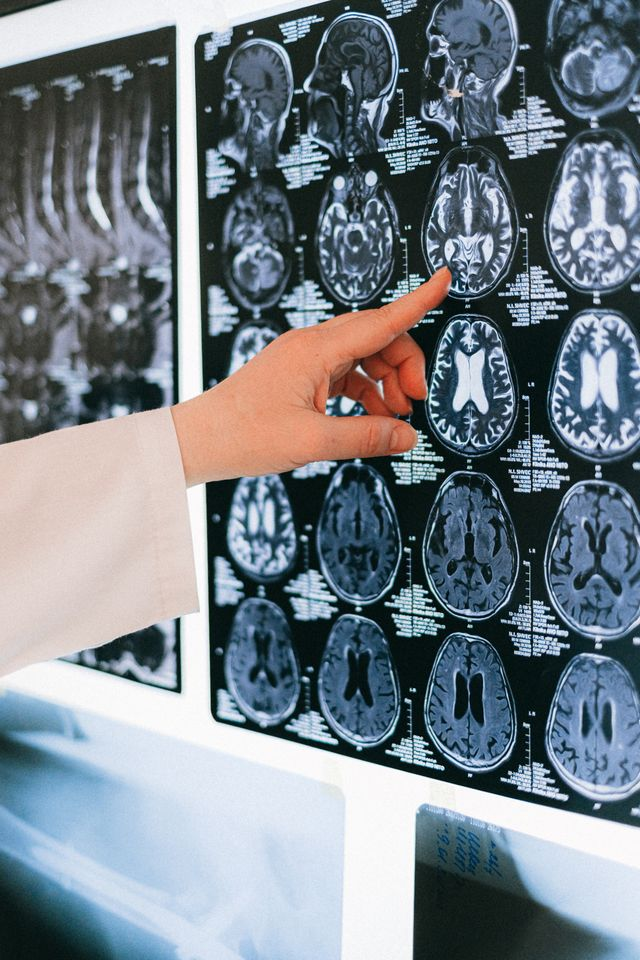
Discussing neurological pathways can help patients understand available care choices
Understanding Migraine Signals Can Guide Better Care
Recognizing a personal pattern of migraine aura can support more useful conversations about timing, triggers and treatment choices. The goal is to reduce disruption, not to predict every attack or promise that migraines will disappear. For people seeking treatment for migraines in Los Angeles, a careful history remains an important starting point.
At the Neurology and Cognitive Neuroscience Institute, we address headache concerns alongside our work in movement disorders. Our neurology practice can discuss symptoms and appropriate next steps based on an individual assessment. To review recurring migraine symptoms with us, request an appointment with our office.